By The Whitcomb Group
Our family has been part of the Naples story for three generations, going back to years when much of what is now prime real estate was still mangrove and marsh. The history of Naples, FL, is short by most standards, and yet the city went from a remote winter outpost to one of the most sought-after markets on the Gulf Coast in about a century. Knowing that history changes how you see the streets, the neighborhoods, and the value of the land underneath them. Here are the facts we share most often with buyers who want the full picture.
Key Takeaways
- Naples was founded in 1886 and named after Naples, Italy, for the beauty of its bay.
- Rail service and the Tamiami Trail opened the city to the outside world in the late 1920s.
- The postwar years turned mangrove shoreline into the waterfront neighborhoods buyers know today.
- Landmarks like Palm Cottage and the Naples Pier still anchor the city's history.
How Naples, FL, Got Its Name
The people who shaped the history of Naples, FL, were selling a vision from the start. In 1886, a Kentucky U.S. senator, John Stuart Williams, and a Louisville newspaper publisher, Walter N. Haldeman, formed a company to build a town on the coast. Promoters compared the bay to the one in Naples, Italy, and the name stuck.
The founding facts worth knowing
- Founded in 1886, the town began as a winter retreat for northern visitors.
- The name came from marketing that likened the bay to Naples, Italy.
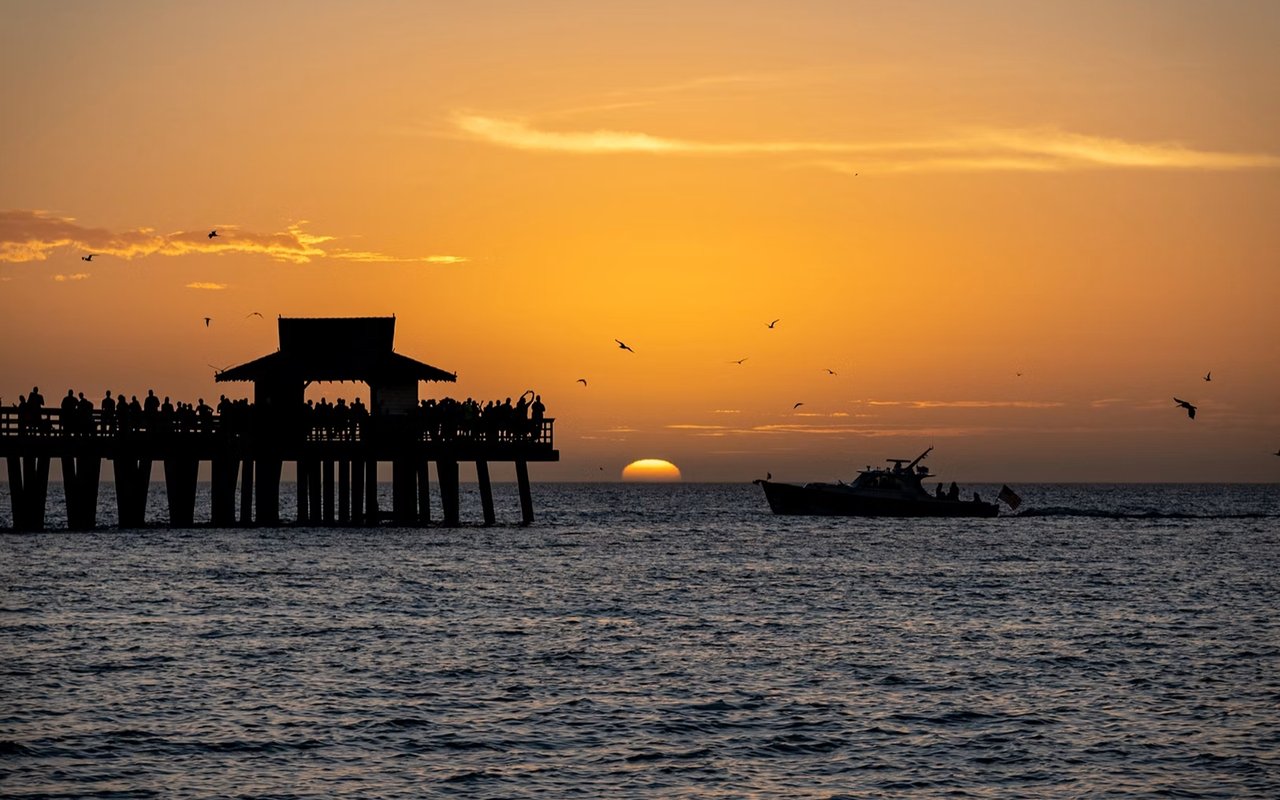
- The Naples Pier opened in 1888, and the first hotel followed in 1889.
- For years, the town could be reached only by boat.
The Roads and Rails That Opened Naples
For its first few decades, the history of Naples, FL, was quiet by design, since getting here took real effort. That changed in the late 1920s, when two projects connected the coast to the rest of the state. Collier County had formed in 1923, and the momentum followed soon after.
Milestones that connected the coast
- Rail arrived when the Seaboard Air Line Railroad reached Naples in 1927.
- The Tamiami Trail linked Naples to Miami and Tampa in 1928.
- A market crash in 1929 and the years after slowed big development.
- Passenger rail service ended in 1971, and the old depot is now a museum.
The Postwar Boom and the Rise of Luxury Naples
The modern market took shape after World War II, when builders looked at the shoreline and saw potential where others saw swamp. Developers dredged canals out of the mangroves and created the waterfront communities that define high-end Naples today. Much of what buyers prize now came from that period of ambition.
Neighborhoods that shaped the market
- Aqualane Shores was dredged from mangrove land just south of downtown.
- Port Royal took shape starting in the late 1940s and became known for deepwater access.
- Park Shore, Moorings, and later Pelican Bay added more coastal and waterfront living options.
- Golden Gate Estates opened vast acreage east of town in the late 1950s.
Old Naples Landmarks Still Standing Today
You can still read the history of Naples, FL, by walking the older parts of town. A handful of landmarks survived the building booms and connect today's city to its earliest days. They are worth a visit whether you live here or are just getting to know the area.
Places that carry the history forward
- Palm Cottage, built in 1895, is the oldest surviving house in Naples.
- The Naples Pier remains a gathering spot more than a century after it first opened.
- The Naples Depot Museum preserves the old downtown train station.
- Historic shopping districts like Third Street South still shape downtown life.
Frequently Asked Questions About the History of Naples, FL
When was Naples, FL, founded?
Naples was founded in 1886 by a group of investors who formed a company to build a coastal town. The pier opened in 1888, and the first hotel opened the following year.
How did Naples get its name?
Early promoters compared the local bay to the bay in Naples, Italy, and used the comparison to attract visitors. The name caught on and has stuck ever since.
What are some of the oldest neighborhoods in Naples?
Old Naples near the pier is the historic core, and waterfront communities like Aqualane Shores and Port Royal took shape in the years after World War II. Golden Gate Estates opened large acreage east of town in the late 1950s.
Buy a Home in Naples With The Whitcomb Group
Understanding the history of Naples, FL, is part of understanding its value, and few teams know that story from the inside like we do. The Whitcomb Group has been part of the Naples community for three generations, across building, development, and sales throughout Southwest Florida. That long view helps our clients see not just a property, but the place it sits in.
If you are ready to find your own place in the next chapter of Naples, we are here to help. Reach out to us, learn more about our work in Naples and let's start a conversation.
If you are ready to find your own place in the next chapter of Naples, we are here to help. Reach out to us, learn more about our work in Naples and let's start a conversation.